Home Moves in Dulwich
If you are planning Home Moves in Dulwich, you are likely looking for a service that feels organised, careful, and genuinely local. Moving home is rarely just about transporting boxes from one place to another. It often involves tight access, delicate furniture, parking restrictions, family routines, and the pressure of getting everything done on time. Whether you are moving from a period house near Dulwich Village, a flat off Lordship Lane, or a family home close to the borders of Herne Hill, West Dulwich, or East Dulwich, the right moving support can make a huge difference.
A well-run move should reduce stress rather than add to it. That means clear planning, careful lifting, practical advice, and a team that understands the local roads, housing types, and day-to-day realities of moving in South London. From smaller apartments to larger family homes and even mixed residential-commercial moves, a local moving service can help make the day feel manageable. When the details are handled properly, the whole move becomes smoother.
Looking for a move that is efficient, safe, and tailored to Dulwich properties? You are in the right place. Below, you will find practical information on how home moves work, what is usually included, how to prepare, and why choosing a local team is often the best choice for customers in and around Dulwich.
Why local knowledge matters for home moves in Dulwich

Dulwich has a character of its own. Many homes sit on residential streets where parking space is limited, access can be narrow, and timing matters because neighbours, schools, and traffic can all affect the move. A team familiar with the area understands that a move from Dulwich Village may present different challenges from a move near North Dulwich station or a purpose-built flat in East Dulwich. This local awareness helps keep the day organised from the outset.
Local knowledge also matters when planning the load and vehicle access. A terraced house with a front path, a maisonette with stairs, or a larger semi-detached property with garden access each needs a slightly different approach. For customers, this means a moving service can be planned around what is actually on site rather than relying on a one-size-fits-all method. Good local movers know how to adapt.
It is also useful when moving business premises or home offices alongside a household relocation. In and around Dulwich, many people work from home, run small services, or have equipment that needs careful handling. A practical moving plan can support both residential and light commercial needs, helping you relocate furniture, files, and equipment without unnecessary disruption.
What is included in a home moving service

Every move is different, but most home moving services are built around a core set of useful tasks. These usually include loading, transport, unloading, and the careful handling of furniture and boxes. Depending on the service you choose, there may also be packing support, protective wrapping for fragile items, disassembly and reassembly of furniture, and help with awkward or bulky belongings.
For many customers, the biggest benefit is having trained movers manage the heavy lifting. Sofas, wardrobes, appliances, dining tables, and boxed belongings can be difficult to move safely without the right equipment and technique. A professional team helps reduce the risk of damage to your items, your walls, and your floors. That is especially important in Dulwich homes where staircases, period features, and fitted interiors may be more delicate.
Some moves also need extra attention for special items such as mirrors, artwork, large plants, musical instruments, or fragile family possessions. If you have anything that needs a careful approach, it is worth mentioning early so the move can be planned properly. Clear communication before moving day often saves time and stress later.
Typical property types in Dulwich and how they affect the move

Dulwich includes a range of property styles, and this variety influences how a move is handled. Period houses may have narrower entrances or split-level layouts. Flats may involve communal stairwells, shared entrances, and controlled access. Family homes may have more contents to move, including garden furniture, bikes, children’s items, and storage from lofts or garages. Each of these property types benefits from a slightly different moving plan.
For example, a move from a top-floor flat may require extra care with stair access and loading times. A house near a busy road may need parking arranged in advance to make loading safer and quicker. A home with limited front access may require additional carrying distance, which can affect crew size and timing. By understanding these realities from the start, the moving day can be arranged around the property rather than forcing the property into a rigid plan.
Many local customers also need to move from one part of Dulwich to another nearby neighbourhood, such as Herne Hill, Forest Hill, Peckham, Camberwell, Brixton, Crystal Palace, or East Dulwich. Even a short-distance move can take careful coordination if access is tight or if you are moving at a busy time of day. A local company is usually better placed to plan these short but complex relocations efficiently.
How the moving process usually works

A well-structured home move usually starts with an initial discussion about what needs moving, where you are moving from, where you are going, and any access issues that may affect the day. This is the stage where you can mention stairs, parking, fragile items, storage needs, and whether you need packing support. The clearer the information, the better the move can be arranged.
Next comes planning. This may include estimating the amount of furniture and boxes, deciding whether the home needs a full or partial packing service, and confirming the most suitable vehicle and crew size. If the move involves a long carry, difficult access, or a large family property, the plan can be adjusted accordingly. Good planning helps avoid rushed decisions on the day.
On moving day, the team typically arrives ready to protect the property where needed, load items carefully, and transport them to the new address. Once there, the items are unloaded into the correct rooms as agreed. If furniture has been dismantled, it can often be reassembled so that you are left with a home that is easier to settle into. That final stage matters more than many people expect.
Preparation checklist for a smoother home move
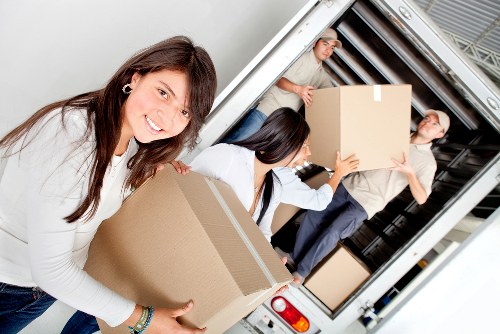
Preparation is one of the best ways to make a move feel less overwhelming. Even if you are using a professional moving service, there are several simple things you can do beforehand to help the day go to plan. Good preparation can reduce last-minute stress, keep fragile items safe, and help the crew work efficiently.
Here is a practical checklist that many Dulwich customers find useful:
- Sort through belongings and decide what to keep, donate, recycle, or dispose of.
- Label boxes by room and, if helpful, by priority.
- Pack a separate essentials bag for the first night in your new home.
- Defrost fridges or freezers in advance if they are being moved.
- Keep important documents, keys, medication, and valuables with you.
- Measure larger furniture against doors, stairways, and room spaces if you are unsure.
- Let the movers know about parking restrictions, access codes, or building rules.
- Remove loose items from shelves, wardrobes, and drawers where appropriate.
It can also help to plan your utilities, internet, and change-of-address tasks before the moving date. The less you have to think about after arrival, the quicker you can settle in. Small steps taken before the move can make a big difference on the day itself.
Moving support for different types of customers
Home moves in Dulwich are not limited to one type of customer. Families, couples, single occupants, landlords, tenants, professionals, and small business owners all have different needs. The right moving service should be flexible enough to handle these differences while still offering a calm and organised experience.
For families, the main priorities are often safety, timing, and keeping disruption as low as possible. Moving children’s furniture, toys, school equipment, and extra household contents can take time, so an efficient process matters. For tenants, moving dates may be linked to check-out deadlines and handover arrangements, which means punctuality and clear coordination are important. For landlords or property managers, the move may involve ensuring a property is cleared neatly and with care. For small business owners working from home, office furniture and equipment may need separate planning so that work can resume quickly.
There are also customers relocating into Dulwich from other parts of London or further afield. Moving into a conservation-style property, a new-build apartment, or a conversion flat each comes with different considerations. In these cases, a local team can help you think through access, loading times, and delivery arrangements before moving day arrives.
Residential moves
Residential moving is usually the core service people think of when they search for home moves in Dulwich. This can include studio flats, maisonettes, terraced homes, detached houses, and everything in between. The aim is to move furniture, boxes, and personal possessions safely while keeping the process straightforward. A good residential move is one where your belongings are handled carefully and your new home becomes functional as quickly as possible.
Light commercial and home office moves
Many households in Dulwich also contain office furniture, IT equipment, stock, or paperwork that needs to be moved alongside domestic belongings. If you run a small business from home or are relocating a work area within your house, it helps to separate those items from general household contents. That makes unpacking easier and reduces the chance of important equipment being misplaced.
Parking, access, and timing in Dulwich
Parking and access can be some of the most important factors in any move, particularly in busy or residential parts of South London. Streets around Dulwich can vary significantly in width, parking availability, and traffic flow. This is why it is sensible to discuss access in advance rather than leaving it until the day. If a vehicle cannot park close enough, the carrying distance becomes longer and the move may take more time.
Timing is also worth considering. School runs, commuter traffic, and local activity can affect how quickly vehicles can arrive and depart. Weekend moves may work well for some households, but they can also be busy. A weekday move can be easier in some situations, provided you can manage the timing around work or tenancy arrangements. A local moving team can help you think through these practical choices based on your own circumstances.
If your building has shared access, lifts, time restrictions, or entry procedures, it is a good idea to mention them early. The more the move can be tailored to the realities of the property, the more smoothly it can run. Practical planning is often the difference between a stressful move and an orderly one.
Why choose a local company for a Dulwich move
Choosing a local company for moving house in Dulwich can bring several useful advantages. First, there is the benefit of familiarity with the area. Local movers are more likely to understand the common access issues, parking patterns, and road layouts that affect local homes. This can help with timing, vehicle positioning, and overall efficiency.
Second, a nearby service is often better suited to short-notice changes or special requirements. If your completion time shifts, if a flat has unexpected access restrictions, or if you need to adjust the plan because an item is larger than expected, a local team may be easier to coordinate with. That kind of flexibility can be reassuring when moving day brings surprises.
Third, local companies are often used to serving a mix of customers across nearby neighbourhoods. Dulwich moves may involve journeys to or from West Dulwich, Herne Hill, East Dulwich, Brixton, Peckham, Camberwell, Sydenham, Honor Oak, Forest Hill, or Crystal Palace. A team that regularly works across these areas can plan routes and timings with practical experience rather than guesswork.
What customers usually value most
- Careful handling of furniture and personal belongings
- Help with stairs, narrow entrances, and awkward items
- Clear communication before and during the move
- Efficient loading and unloading
- Flexible support for different property types
- Local knowledge of roads, access, and parking conditions
For many people, these are the features that matter most when deciding who to trust with a home move. The process should feel practical, respectful, and well managed from start to finish.
What affects the cost of a home move
Customers often want to know what influences the price of a move, even if exact figures cannot be given without understanding the job properly. Several factors typically shape the final quote. These include the volume of items, the distance between properties, the number of floors involved, the need for packing or dismantling, access restrictions, and whether the move takes place at a busy time of year.
For example, moving a small one-bedroom flat within Dulwich may involve a very different amount of work compared with moving a large family house with loft storage, garden equipment, and multiple bedrooms. Likewise, a property with easy parking and ground-floor access may be simpler to manage than one with a long carry and limited loading space. The more complex the move, the more planning it may require.
Additional services can also affect cost. These may include packing materials, full packing support, storage arrangements, or moving particularly delicate and valuable items. It is often best to ask for a tailored quote so the service reflects your actual needs rather than a generic estimate. A clear quote should help you understand what is included and what is optional.
What to expect on moving day
On the day itself, a professional team should aim to make the process orderly and predictable. Usually, this starts with a quick check of the items to be moved and any access details for the property. The team then begins loading in a structured way so that heavier items are handled safely and more fragile belongings are protected.
For the customer, it is helpful to keep pathways clear and to have important items set aside. If you have children or pets, you may also want to arrange for them to be out of the main moving area where possible. This can make the day calmer and reduce the chance of accidents or delays. If anything changes during the move, good communication helps the team respond quickly.
Once the vehicle arrives at the new property, unloading usually happens room by room according to your instructions. If you have labelled boxes clearly, you will find it easier to unpack and prioritise. Some customers choose to keep a staged approach, unpacking only the essentials first and then settling the rest over the following days. That can be a sensible choice if the move has been large or tiring.
Areas covered around Dulwich
A local home moving service in Dulwich often covers the surrounding neighbourhoods as well. This matters because many moves are not strictly within one postcode area. Instead, customers move between nearby locations based on work, family, schools, or property changes. Common nearby areas may include East Dulwich, West Dulwich, Herne Hill, Brixton, Camberwell, Peckham, Forest Hill, Honor Oak, Sydenham, Crystal Palace, and Norwood.
These nearby routes may only be a short distance apart, but they can still involve varied road conditions and access requirements. A move from one part of South London to another can be straightforward with the right planning, especially if the mover already knows the local streets and timing patterns. If you are unsure whether your move can be covered, it is worth requesting a quote and sharing the full address details so the service can be matched to your needs.
Frequently asked questions
How far in advance should I book a home move?
It is usually wise to book as soon as you know your moving date, especially if you are planning around a school holiday, a tenancy deadline, or a completion day. Popular times can fill up quickly, so early planning gives you more choice and reduces pressure.
Can you help with packing as well as moving?
Many customers choose to use packing support as part of the move. This can be a full packing service or help with selected rooms or fragile items only. If you are short on time or have breakables that need extra care, packing support can be especially useful.
Do you move flats and maisonettes in Dulwich?
Yes, flat and maisonette moves are a common part of local moving work. These properties can involve stairs, shared access, and parking considerations, so it is important to discuss the details early.
What if I have large or awkward furniture?
Large furniture can usually be managed with the right planning. It helps to mention wardrobes, beds, tables, sofas, and appliances in advance so the team can decide whether dismantling or extra handling support is needed.
Can you help with a same-day or short-notice move?
Sometimes this may be possible, depending on availability and the size of the move. If you need urgent assistance, the best approach is to request a quote and explain the situation clearly. The more information provided, the easier it is to see what can be arranged.
Is local parking a problem for moving vehicles?
It can be, especially in busy residential streets or areas with restricted parking. This is why access details matter so much. By discussing parking in advance, you can help avoid delays and make loading and unloading safer.
How to prepare for a quote request
If you are ready to request a quote for Home Moves in Dulwich, it helps to gather a few key details first. These usually include the moving date, the addresses involved, the type of property, the number of bedrooms, the access conditions, and whether you need any additional services such as packing or furniture dismantling.
It is also useful to mention any special items, such as pianos, large mirrors, fragile artwork, or particularly heavy pieces. Even if you are not sure whether something needs special handling, include it anyway. That allows the moving team to advise you properly and avoids surprises later.
Ready to plan your move? Contact us today, request a free quote, or book your service now so your moving day can be arranged with confidence and care.
Final thoughts for Dulwich customers
Moving home in Dulwich should not feel like a guessing game. With the right support, it becomes a planned process built around your property, your schedule, and the realities of the local area. Whether you are moving from a family house, a flat, a period conversion, or a home office setup, the most useful moving service is one that handles the practical details properly and keeps communication clear.
If you are comparing options for Dulwich home removals, think about the factors that matter most to you: local knowledge, careful handling, flexible support, and the ability to work around access and parking challenges. A dependable local team can help you move with less stress and more certainty. That is what makes a move feel manageable rather than overwhelming.
For a smooth, organised, and locally informed move, request a free quote and take the first step toward your new home.