North Dulwich station loading restrictions furniture removals advice: a practical local guide for smoother moves
If you are planning a furniture move near North Dulwich station, the loading bay situation can make the whole day feel more complicated than it should. One wrong stop, one awkward turn, or one forgotten timing window and suddenly the move slows down, neighbours get frustrated, and a simple job starts to feel like a puzzle. That is exactly why North Dulwich station loading restrictions furniture removals advice matters: it helps you plan the vehicle, the lift, the walk, and the timing before the first box even leaves the hall.
In this guide, we'll walk through the practical side of loading near the station, what usually causes problems, how a removals team thinks about access, and how to avoid the kind of delays that turn a calm move into a last-minute scramble. If you are moving a flat, a family home, or a single bulky item, the advice below should help you stay organised and keep stress down.
Why North Dulwich station loading restrictions matter
Station-side loading is one of those details that sounds minor right up until you are standing beside a sofa, watching the clock. Around busy rail stations, access is often tighter than people expect. There may be limited kerb space, controlled stopping areas, time-sensitive loading rules, or traffic conditions that make it difficult for a vehicle to pause safely and legally. Even when the move itself is straightforward, the access can be the thing that changes the day.
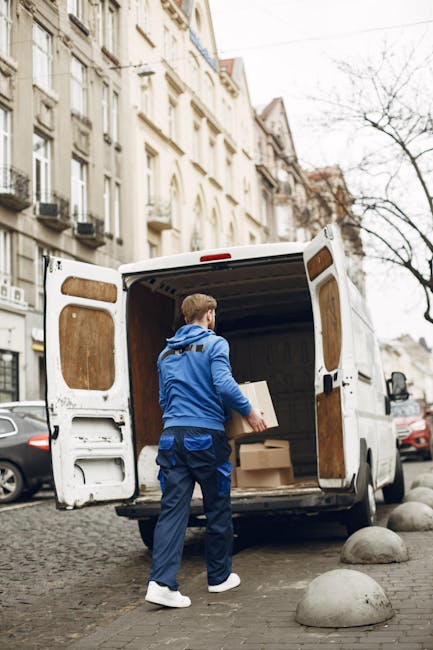
For furniture removals, every extra minute counts. A chest of drawers is not heavy for one person, but it becomes awkward if the van cannot get close enough. A dining table might be easy to carry from a front door, yet it becomes a different story if the team has to cross a road, use a longer path, or wait for a suitable stopping space. That is where local planning really pays off.
Truth be told, many removal delays are not caused by the furniture at all. They are caused by access. Poor parking, unclear loading arrangements, and underestimated walking distances are classic culprits. So, if you are moving near North Dulwich station, the smartest move is not simply to book a van; it is to plan the route from property to vehicle with the same care you would give to the packing itself.
It also helps to think about the wider local context. Dulwich streets can be narrow, busy at school-run times, and not always forgiving for larger vehicles. If you want a sense of how local routines and neighbourhood rhythms affect daily life, you may also find local Dulwich advice from residents helpful, especially when timing a move around the practical realities of the area.
How North Dulwich station loading restrictions furniture removals advice works
The simplest way to understand loading restrictions is this: they control where a vehicle can stop, for how long, and under what conditions. For a removals job, that means the plan must be built around the vehicle's access rather than hoping access will somehow work itself out on the day. A good move plan asks a few practical questions before anything else:
- Can the van stop close enough to the entrance for safe lifting?
- Is there a loading bay, a temporary stop, or only on-street access?
- Are there time windows where stopping is more likely to be permitted?
- Will the route involve steps, shared entrances, or narrow corridors?
- Is there enough room for the vehicle to load without blocking traffic?
In practice, the answer to those questions determines the whole job. A move from a ground-floor flat may be quick if the van can park nearby. The same move can take much longer if the vehicle has to park around the corner. That is not a failure; it is just the reality of urban removals. Planning for it keeps everyone calmer.
Good removals advice is about reducing friction. If a team knows that access is tight near the station, they can bring the right vehicle size, enough labour for carrying, protective equipment for furniture, and a realistic arrival time. They may also recommend splitting the move into stages, using a smaller removal van, or arranging the loading sequence so the largest and heaviest items go out first while the access is clearest.
There is also a small but important human factor: neighbours and other road users notice how a move is handled. A tidy, efficient loading process is simply easier for everyone. No one enjoys a van sitting half on the kerb, half in the road, with someone shouting "just one more minute". Been there, and it is never elegant.
Key benefits and practical advantages
Getting the loading plan right brings more than convenience. It can change the whole tone of the move.
- Less risk of delays: If the van arrives with a realistic access plan, the team is less likely to lose time searching for a stopping point.
- Safer handling: Shorter carrying distances reduce strain on movers and reduce the chance of damage to furniture.
- Lower stress: When the access plan is clear, you are not making decisions under pressure while the clock ticks.
- Better protection for furniture: Bulky items moved in a smoother sequence are easier to wrap, lift and position properly.
- More predictable costs: If the access is planned properly, you are less likely to face extra waiting, extra labour, or avoidable overtime.
There is another advantage people sometimes overlook: good loading planning helps you decide what type of removals support you actually need. For instance, if you only have a few items and access is straightforward, a smaller vehicle may be enough. If the route is awkward or the flat is full of heavy furniture, a fuller removals service may make more sense. If you are comparing services, removal services in Dulwich can be a useful place to start, especially if you want to understand the support options before booking.
For bigger household moves, the same principle applies. It is rarely just about "having a van". It is about matching the moving method to the access conditions, the furniture volume, and the time you have available. That is where practical advice is worth its weight in tape and blankets.
Who this is for and when it makes sense
This advice is useful for anyone moving furniture near North Dulwich station, but it is especially relevant in a few common situations.
- Flat movers: If you are in a top-floor flat, a basement flat, or a converted Victorian property, access often matters more than distance.
- Families moving house: Larger moves usually involve more furniture, more boxes, and more time spent loading.
- Students and young renters: You may only have a few items, but stairwells, narrow streets, and limited parking can still slow things down.
- Office or studio users: Desks, chairs, filing units and equipment need careful positioning, especially if the move has to happen quickly.
- Anyone with awkward items: Pianos, mirrors, wardrobes and large sofas always deserve extra thought.
It makes sense whenever access is uncertain. If the vehicle cannot simply pull up outside and wait, the move should be planned as an access-sensitive job. If you are unsure which removals format suits your home, the broader services overview can help you compare move types and decide what level of support fits best.
Not every move needs a full-scale removals crew, of course. A single-item collection might be fine with a smaller vehicle and one or two handlers. But the moment parking becomes uncertain or the item is heavy, you are in "think first, lift second" territory. Which, honestly, is usually the wise order anyway.
Step-by-step guidance
Here is a practical way to plan a furniture move near North Dulwich station without losing the plot.
- Check the access point first. Look at the street outside the property and the likely stopping areas near the station. Notice where a van could safely pause without creating problems.
- Measure the biggest items. Sofas, wardrobes, beds, mattresses and large tables often decide the vehicle size and the number of movers needed.
- Map the carrying route. Count the stairs, tight corners, door widths and any shared entrances. A short route is good, but a simple route is better.
- Pack in the order you will load. Put the furniture and heavy boxes that leave first in a clear place. This saves time on the morning and prevents last-minute hunting.
- Choose the right vehicle. A small van may be easier in tight local streets, while a larger vehicle might reduce back-and-forth trips. The right fit depends on access, not vanity.
- Set a realistic arrival window. If the area is likely to be busy, build in extra time. A move that starts calmly usually ends better too.
- Use protective materials. Blankets, wraps, straps and floor protection reduce damage and make the loading sequence smoother.
- Keep essentials separate. Documents, keys, chargers, medication, kettle items and snacks should not disappear into the back of the van. Trust me, that never feels clever at 9 a.m.
If you are moving on short notice or juggling a same-day handover, speed matters even more. In that case, same-day removals in Dulwich may be the most practical way to keep the day under control while still working around loading restrictions and access constraints.
A useful habit is to do one "standing in the street" check before the move. Actually walk the route with fresh eyes. You will often spot things you missed at first glance: a tight turn, a low wall, a hedge in the way, or a door that opens farther than expected. Small detail, big difference.
Expert tips for better results
When people ask for removals advice near a station, the best tip is usually the most boring one: plan earlier than you think you need to. But there are a few more specific things that really help.
- Book a vehicle that suits the street, not just the volume. A huge van is not always the answer if access is tight. Sometimes a more manageable removal van is the smarter choice.
- Use a loading sequence. Put the largest items closest to the exit and the most fragile items where they can be protected properly.
- Keep one person as the "access eye". On a busy move, someone should watch the route, the vehicle position, and the people moving items. It sounds simple, but it avoids confusion.
- Prepare for weather. Rain makes handling slower, surfaces slippier, and cardboard less forgiving. A wet morning near a station can feel a bit chaotic, so coverings matter.
- Don't under-estimate bulky furniture. That armchair that "should fit" can become the day's biggest obstacle if it meets a tight stair bend.
One more thing: if your move includes breakable or high-value items, it is sensible to look at proper packing support. The right boxes, tape and wrapping can save a lot of grief. For that side of the move, packing and boxes in Dulwich is a useful resource, especially if you want to reduce handling time on the day.
And if you are moving delicate instruments or unusually heavy specialist items, don't just improvise. A piano, for example, is a different beast entirely. The lift angle, weight distribution and floor protection all matter. If that sounds like your situation, piano removals in Dulwich is the safer route than hoping a standard move will do the job.
Common mistakes to avoid
Most loading issues are preventable. The tricky part is that they often look minor until the move is already underway.
- Assuming the van can stop anywhere: Station areas are rarely that simple. Assumptions cause delays.
- Not checking the largest item first: A sofa or wardrobe can dictate the whole access plan.
- Leaving packing until the morning: This creates clutter, confusion and slower loading.
- Forgetting about stairs and door swings: These small things can turn into awkward bottlenecks very fast.
- Choosing the wrong vehicle size: Too big can be awkward, too small can mean extra trips. Neither is ideal.
- Ignoring neighbours and traffic: A move that blocks access or drags on too long tends to create tension. Nobody wants that.
Another common mistake is overconfidence with self-moves. To be fair, a man-and-van setup can be ideal for compact jobs, but only if the access is workable and the load is realistic. If you need something flexible, man and van Dulwich options can suit smaller, faster moves where a full removal team would be overkill.
On the other hand, if the job is larger, more fragile, or logistically messy, a fuller service is usually less stressful overall. You do not get extra points for making a hard job harder.
Tools, resources and recommendations
You do not need fancy gear, but a few practical tools make loading around a busy station much easier.
- Furniture blankets and covers: protect polished wood, fabric and corners.
- Straps and tie-downs: keep items secure in transit.
- Bubble wrap and paper: useful for glass, lamps, shelves and ornaments.
- Labels and marker pens: speed up unloading and prevent confusion.
- Trolleys or sack trucks: reduce lifting strain for heavier items.
- Gloves with grip: small detail, but they help in wet weather and with awkward surfaces.
For many local moves, the best practical resource is a service that can handle both transport and the awkward bits around access. If you want a straightforward option for a smaller move, man with a van Dulwich may be a good fit. If you want something more structured for a bigger household move, house removals in Dulwich is the better match.
If you are still comparing options, it can also help to look at the business side of the service. Clear pricing, sensible security, and strong insurance arrangements are all signs of a professional operation. For that, pricing and quotes and insurance and safety are worth reviewing before you confirm anything.
Law, compliance, standards and best practice
There is a careful line here. Loading restrictions can involve parking rules, local traffic conditions and general road safety expectations, but the exact rules can vary by street and circumstance. So the safest advice is to treat access planning as a compliance issue, not just a convenience issue. If stopping is not permitted, or if it creates a hazard, it is not worth forcing the matter.
Good practice in removals usually includes the following:
- Safe stopping: the vehicle should be positioned so loading can happen without unnecessary risk.
- Clear communication: the driver, movers and customer should all understand the plan.
- Manual handling awareness: heavy and awkward items should be moved with the right lifting method and enough people.
- Property protection: floors, doors and corners should be protected where needed.
- Respect for neighbours and traffic: keep obstruction to a minimum and work efficiently.
In the UK, general moving practice also expects teams to act responsibly around safety, access and property care. That may sound obvious, but in the middle of a hectic move, obvious things are the first to slip. A solid removals plan should align with the company's own safety approach as well. If you want to understand how a provider frames that side of the work, take a look at the health and safety policy.
There is also a broader responsibility to handle possessions and working conditions properly. Good removals businesses are usually careful about insurance, payment clarity, privacy and terms. Those may not be the most exciting pages on a website, but they do tell you a lot about how seriously a company operates. Not glamorous, no. Useful? Very.
Options, methods and comparison table
Different move types suit different access conditions. Here's a simple comparison to help you think it through.
| Option | Best for | Strengths | Watch-outs |
|---|---|---|---|
| Man and van | Smaller loads, single-item moves, light flat moves | Flexible, usually quicker to position, often a good fit for tighter streets | May be limited for larger furniture volumes or multi-room homes |
| Full removals service | House moves, heavy furniture, more complex access | More hands, better for protection and sequencing, less stressful overall | Needs more planning and may be more than you need for a small job |
| Same-day support | Urgent handovers and short-notice moves | Fast turnaround, helpful when timing is tight | Less margin for changes, so packing and access need to be ready |
| Storage plus removal | Staged moves, delays between properties, overflow furniture | Buys time and reduces pressure on the moving day | Requires extra coordination and planning |
If your move is being squeezed by handover times, repairs or a delayed completion, storage can be a sensible pressure-release valve. It is often much better to split a complicated move than to force everything into one rushed day. If that sounds familiar, storage in Dulwich is a practical option to think about.
Case study or real-world example
Here's a realistic example, based on the kind of move that comes up all the time near station-adjacent streets.
A couple moving out of a first-floor flat near North Dulwich station had a three-piece sofa, a bed frame, a dining table, six boxes of books, and a couple of awkward lamps. The original plan was to have a large van stop as close as possible to the entrance and clear everything in one go. But the street was tighter than expected, and the loading point was not as simple as it looked on the map.
Instead of pushing ahead and hoping for the best, the team switched to a smaller vehicle with a better stopping position, split the heaviest items into a clear loading sequence, and kept one person watching the access route while the other handled the furniture wraps. It took longer than the first estimate, but the move stayed calm, the stairwell remained protected, and nothing got knocked around. No drama. Which, in removals, is a small miracle.
The lesson is straightforward: the "best" removals method is not always the biggest or the fastest. It is the one that fits the access conditions honestly. That is especially true when loading space is limited and the route around the station is busy.
For readers who are also dealing with a full property move or trying to manage a larger transition, the broader guidance in removals Dulwich can help you compare the practical side of different move types and plan the next step more confidently.
Practical checklist
Use this before move day. It is simple, but it works.
- Check where the van can safely stop near the property.
- Measure large furniture and note any awkward shapes.
- Confirm stairs, lifts, narrow hallways and door clearances.
- Pack and label boxes before the vehicle arrives.
- Keep keys, documents and essentials in a separate bag.
- Protect furniture with blankets, wrap and straps.
- Decide whether you need a small van, larger van, or full removals team.
- Allow extra time if loading space is uncertain.
- Tell movers about anything fragile, heavy or especially valuable.
- Have a back-up plan if parking near the station is tighter than expected.
Expert summary: the best North Dulwich station loading restrictions furniture removals advice is not about finding a clever shortcut. It is about honest access planning, the right vehicle, and a loading sequence that respects the street as well as the furniture. That is what keeps a move efficient, safe and, ideally, a bit uneventful.
For anyone who wants help choosing the right removals format or needs to speak with someone before booking, get in touch with the team here. It is often the quickest way to turn a messy moving plan into something workable.
Conclusion
North Dulwich station loading restrictions can feel like a small obstacle, but in furniture removals they shape almost everything: timing, vehicle choice, safety, cost, and how calm the day feels. Once you treat access as part of the job rather than an afterthought, the whole move becomes much more manageable.
The best approach is simple. Check the stopping point, measure the furniture, choose the right removals method, and leave a little breathing room for the unexpected. A move near a station rarely needs to be perfect, but it does need to be prepared. And that preparation, more often than not, is what saves the day.
Get a free quote today and see how much you can save.
Frequently Asked Questions
What are North Dulwich station loading restrictions for furniture removals?
They are the practical limits on where a moving vehicle can stop, how long it can wait, and how easily furniture can be loaded near the station area. The exact situation can vary, so it is best to plan access carefully rather than assume roadside space will be available.
Why does loading access matter so much for removals?
Because it affects everything from lifting distance to the time needed for the move. If the van has to park further away, the job takes longer and becomes more physically demanding.
Can a small van be better than a large van near North Dulwich station?
Yes, sometimes it can. A smaller van may be easier to position in tighter streets and can make loading simpler if access is limited. The right vehicle depends on the volume of furniture and the street layout.
How should I prepare furniture before the move?
Wrap fragile surfaces, remove loose parts, label items where needed, and separate essentials from the main load. A bit of prep helps the loading go faster and reduces the chance of damage.
What if parking near the station is not available on the day?
It is best to have a backup plan, such as a different stopping point, a smaller vehicle, or a later loading window. A flexible removals plan is much better than forcing the original one.
Is a man and van service suitable for a local flat move?
Often yes, especially for smaller loads or straightforward flat moves. But if the furniture is bulky or access is awkward, a fuller service may be more appropriate.
Should I book storage if my move date is uncertain?
If your handover, completion or entry date might change, storage can reduce pressure and make the move less frantic. It is especially useful if you need to split the move into stages.
How can I avoid delays on moving day?
Prepare boxes early, confirm access in advance, choose the right vehicle, and keep the loading route clear. Small preparations make a surprisingly big difference.
Do I need special help for heavy items like pianos?
Yes, specialist items usually need specialist handling. Pianos, in particular, should be moved with the right equipment, protection and experience rather than treated like an ordinary sofa.
What should I ask a removals company before booking?
Ask how they handle access issues, what vehicle they recommend, whether they offer insurance and safety support, and how they structure pricing. Those details tell you a lot about whether the service fits your move.
Can I move on a same-day basis if access near the station is tight?
Possibly, yes, but it depends on timing, packing readiness and how complicated the access is. Same-day moves work best when the furniture is already prepared and the route is clear.
Where can I learn more about the company behind these removals services?
You can read more on the about us page and explore related guidance such as the furniture removals in Dulwich service page if you want a fuller picture before booking.